A quiet night in the Hollywood Hills turned violent when intruders broke into the hilltop mansion of an elderly woman with deep ties to the Budget Rent a Car empire. The attack wasn’t just another burglary—it was a brazen invasion that left the heiress physically assaulted and shaken, raising urgent questions about safety, wealth visibility, and the vulnerability of aging high-net-worth residents in supposedly secure enclaves.
This wasn’t a smash-and-grab at a ground-floor apartment. It happened behind guarded gates, on a private road, in one of Los Angeles’ most exclusive ZIP codes. Yet, the perpetrators not only gained entry—they targeted the occupant directly. The incident underscores a growing trend: affluent older residents are increasingly becoming prey, not just for their possessions, but because their perceived frailty makes them easier to overpower.
The Attack: What Happened Inside the Mansion
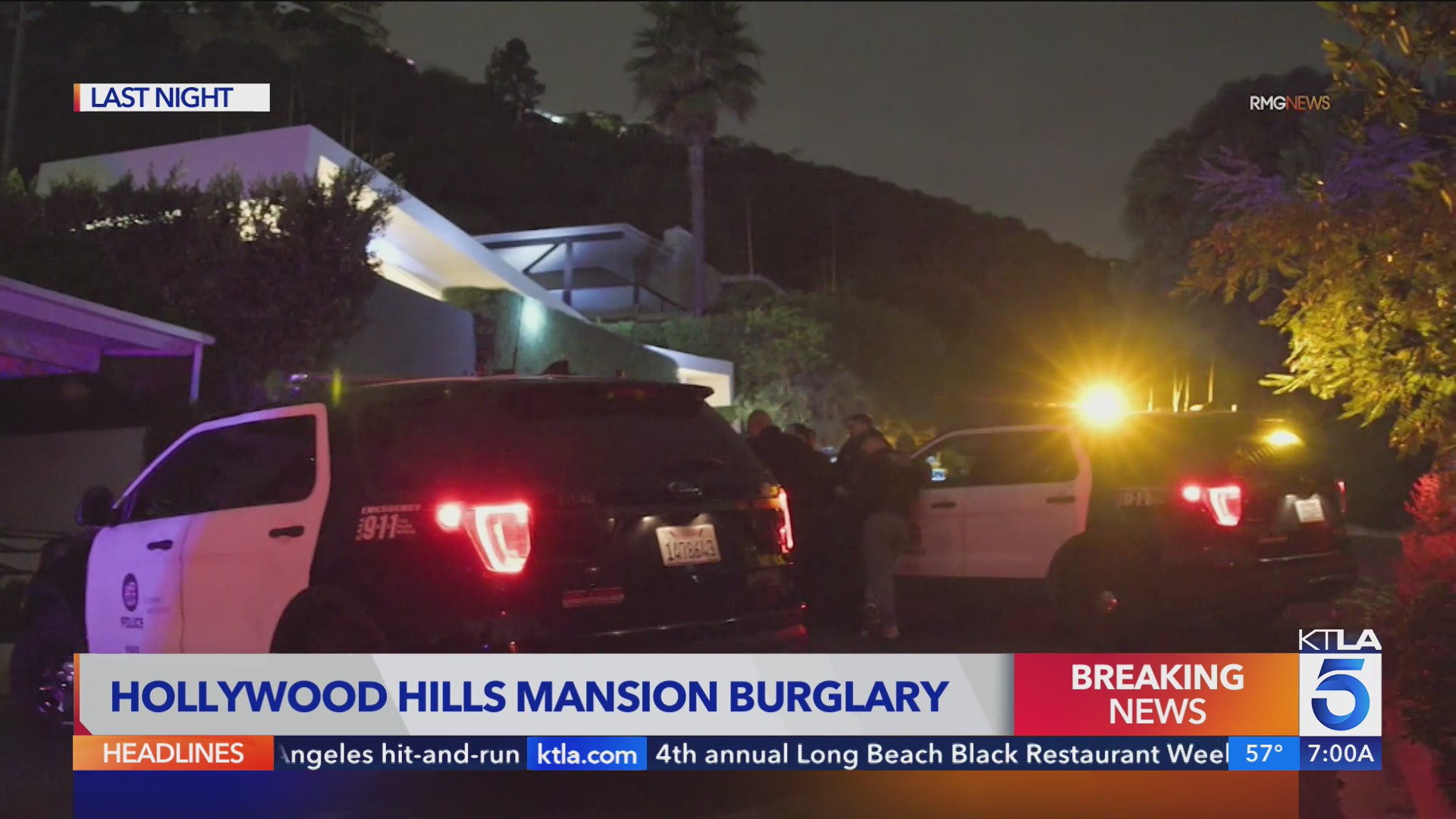
According to law enforcement sources, the break-in occurred shortly after 10:30 p.m. on a Wednesday evening. The woman, now in her late 80s and known to rely on a cane for mobility, was alone in the 7,200-square-foot Mediterranean-style home nestled in the hills above Sunset Boulevard.
Witnesses reported hearing raised voices and the sound of shattering glass around 10:45 p.m. Neighbors who peered through security cameras saw at least two figures fleeing on foot toward a wooded service trail used by maintenance crews.
By the time police arrived, the heiress had managed to activate a panic button hidden in her bedroom. She was found suffering from a head laceration, likely from being shoved during a struggle, and minor bruising on her arms. Paramedics treated her at the scene but did not transport her to the hospital.
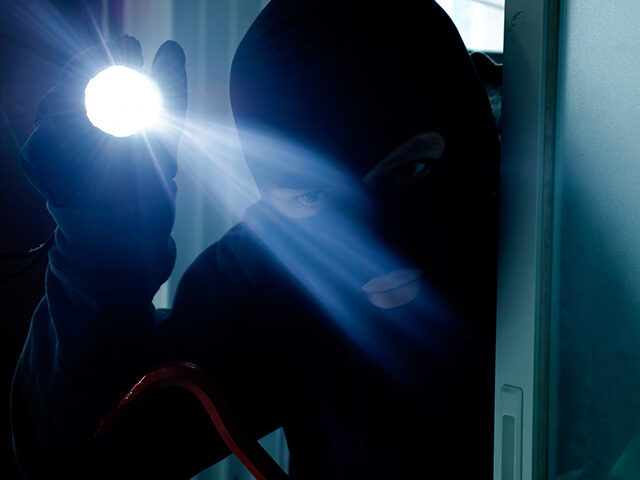
Investigators believe the thieves entered through a rear patio door that had been pried open, bypassing an outdated alarm system. They ransacked the master suite and a ground-floor study, taking jewelry, cash, and several small antiques. A vintage Rolex and a set of diamond earrings—items appraised at over $180,000—were among the reported losses.
The Victim: Legacy of a Rental Car Empire
The woman at the center of the attack is a direct descendant of one of the founding families behind Budget Rent a Car. While not a public executive or media figure, her inheritance has kept her financially independent for decades. Her grandfather helped expand the brand across the Midwest in the 1950s, and the family retained significant equity until the company was acquired in the early 2000s.
Despite her wealth, she’s lived a notably private life. Neighbors describe her as courteous but reclusive—someone who preferred tending her citrus garden and reading on the veranda to attending Hollywood events. She purchased the property in 1987 for $1.2 million and has made few visible upgrades since.
That discretion may have worked against her. Unlike neighbors who’ve installed full perimeter surveillance, motion-triggered lighting, and 24/7 remote monitoring, her security setup relied heavily on passive defenses—wrought-iron gates, a single doorbell camera, and a landline-connected alarm.
Why High-Profile Heirs Become Targets
Elderly heirs with low public profiles often represent ideal targets for sophisticated burglary crews. They tend to:

- Live alone or with minimal staff
- Keep valuables in the home rather than in vaults
- Use outdated or inconsistently monitored security systems
- Follow predictable routines
- Be perceived as less capable of resistance
In this case, investigators suspect surveillance preceded the attack. The timing—after dark, on a weekday when housekeepers were off-duty—suggests familiarity with the household rhythm.
Hollywood Hills: A Magnet for Luxury Theft
The Hollywood Hills have long been a haven for celebrities, executives, and old-money families. But with that prestige comes risk. Over the past five years, LAPD has recorded a 34% increase in residential burglaries in the 90068 and 90046 ZIP codes.
What makes these break-ins different from typical urban theft? They’re often not crimes of opportunity. They’re planned.
Crews scout homes for weeks. They track when staff arrive and leave. They note delivery patterns and even social media activity. Homes with visible signs of affluence—uncovered garages with luxury cars, expensive landscaping, or deliveries from high-end retailers—become flagged.
One former LAPD burglary detective, who asked not to be named, put it bluntly: “The more secluded the property, the more vulnerable it can be. If you’re tucked away behind trees and high walls, you’re invisible to neighbors—and to help.”
Notable Past Incidents in the Area
| Year | Location | Victim Profile | Outcome |
|---|---|---|---|
| 2021 | Outpost Drive | Retired film producer, 78 | $300K in jewelry stolen; no injuries |
| 2020 | Mulholland Estates | Fashion heiress, 81 | Assaulted during daylight break-in; two arrests |
| 2019 | Benedict Canyon | Widow of tech CEO | $500K stolen; security system disabled remotely |
The pattern is clear: aging residents with deep roots in legacy wealth are being watched, targeted, and in some cases, physically confronted.
Security Failures That Enabled the Break-In
While no home is 100% burglar-proof, this incident revealed critical oversights:
- No 24/7 Monitoring: The alarm system was not linked to a live monitoring service. When triggered, it only sounded locally.
- Blind Spots in Surveillance: The single exterior camera had a narrow field of view and did not cover the side courtyard.
- Weak Entry Point Reinforcement: The patio door frame showed signs of wear. A reinforced strike plate or door bar might have delayed entry.
- Lack of Indoor Motion Detection: No sensors inside the hallways or master bedroom allowed intruders to move freely after entry.
- Absence of Panic Drills: The victim had no rehearsed protocol for hiding or alerting neighbors during an intrusion.
These aren’t just technical omissions—they’re behavioral gaps. Many older homeowners assume their location alone is protection enough. But in areas like the Hollywood Hills, visibility and unpredictability are more valuable than isolation.
Modern Security Upgrades That Could Prevent Future Attacks
| Upgrade | Benefit | Estimated Cost |
|---|---|---|
| Smart Security System (e.g., Ring Pro, ADT Command) | Real-time alerts, remote viewing, integration with police dispatch | $800–$1,500 + monthly fee |
| Reinforced Door & Frame Kits | Resists kicking or prying for 10+ minutes | $200–$400 per door |
| Indoor Motion Sensors with Audio Alerts | Detects movement in critical zones like hallways and bedrooms | $150–$300 |
| Night Vision Security Cameras (360° coverage) | Monitors blind spots, records high-resolution footage | $400–$1,200 |
| Medical Alert + Panic Button with GPS | Instant emergency contact with location tracking | $30–$50/month |
For elderly residents, integrating medical alert systems with home security can be life-saving. Some advanced models automatically notify both emergency services and designated contacts if a fall or disturbance is detected.
The Psychology of Intruder Selection
Burglars don’t choose homes at random. They assess risk versus reward—just like investors.
Research from the Urban Institute’s study on residential burglary reveals that intruders typically look for:
- Homes with no visible alarm signs
- Vehicles absent during evening hours
- Overgrown landscaping (suggesting neglect)
- No recent activity on porches or windows
But when it comes to elderly occupants, another factor kicks in: perceived compliance. A 2019 study published in Criminal Justice and Behavior found that 61% of violent home invasions involving seniors were preceded by intelligence gathering—often through social media, public records, or even direct observation.
The message is unnerving but clear: if you’re seen as physically limited, living alone, and surrounded by valuables, you’re not just a target. You’re a high-return, low-risk one.
What Neighbors and Communities Can Do
Affluent neighborhoods often assume crime won’t strike “here.” But complacency is the enemy of safety.
Effective community-led responses include:
- Neighborhood Watch 2.0: Move beyond flyers. Use encrypted messaging apps like Signal or Nextdoor’s private groups to share alerts about suspicious activity.
- Shared Surveillance Networks: Some communities now pool resources to install overlapping camera systems with cloud storage.
- Routine Security Audits: Partner with private security firms to conduct vulnerability assessments—especially for elderly residents.
- Emergency Buddy System: Assign neighbors to check in during power outages, holidays, or after severe weather.
One community in Pacific Palisades implemented a “Lights On” initiative where members leave outdoor lights on during peak burglary hours (8 p.m. to 2 a.m.) if they’re home alone. It’s a simple signal to both neighbors and potential intruders that someone is present and alert.
A Wake-Up Call for the Wealthy and Aging
This attack wasn’t just about stolen jewelry. It was about a fundamental shift in how criminals operate. They’re no longer just after valuables—they’re calculating the human element. And for aging heirs, especially those with low visibility and limited mobility, the risk is accelerating.
The lesson isn’t to retreat behind concrete walls or abandon hilltop homes. It’s to reassess assumptions about safety. Wealth, privacy, and age, when combined, create a silent profile—one that may be quietly broadcast through routine, architecture, and outdated systems.
For families with elderly members in high-value homes, this case should prompt immediate action: upgrade security, establish emergency protocols, and involve trusted neighbors. Because in today’s landscape, the most dangerous threat isn’t a broken window—it’s the belief that “it won’t happen to me.”
Final Steps to Protect Elderly Residents in High-Risk Areas
- Conduct a home security audit with a licensed professional.
- Install monitored systems with 24/7 dispatch capabilities.
- Equip the resident with wearable panic devices (e.g., smartwatches with SOS).
- Establish a daily check-in system with family or neighbors.
- Limit public exposure of the resident’s schedule or lifestyle on social media.
Safety isn’t just about locks and cameras. It’s about awareness, preparation, and community.
Frequently Asked Questions
Was the Budget Rent a Car heiress injured during the attack? Yes, she sustained a head laceration and bruising after being shoved during the struggle. She was treated at the scene but did not require hospitalization.
How did the thieves gain entry to the mansion? They pried open a rear patio door that led to the kitchen, bypassing an older alarm system that wasn’t actively monitored.
Are the suspects in custody? As of the latest police update, no arrests have been made. Investigators are reviewing surveillance footage from neighboring properties.
What was stolen during the burglary? Items reported missing include a vintage Rolex, diamond earrings, cash, and several small antiques. Estimated value exceeds $180,000.
Why is the Hollywood Hills a hotspot for home invasions? The area combines high property values, secluded homes, and predictable routines—making it attractive to organized burglary crews.
Could better security have prevented this? While no system is foolproof, a monitored alarm, reinforced doors, and indoor motion detectors could have delayed entry or triggered an earlier response.
What can elderly homeowners do to reduce risk? Upgrade to smart security systems, carry medical alert devices, establish neighbor check-ins, and avoid broadcasting routines online.
FAQ
What should you look for in Thieves Target Aging Budget Rental Car Heiress in Hollywood Hills Break-? Focus on relevance, practical value, and how well the solution matches real user intent.
Is Thieves Target Aging Budget Rental Car Heiress in Hollywood Hills Break- suitable for beginners? That depends on the workflow, but a clear step-by-step approach usually makes it easier to start.
How do you compare options around Thieves Target Aging Budget Rental Car Heiress in Hollywood Hills Break-? Compare features, trust signals, limitations, pricing, and ease of implementation.
What mistakes should you avoid? Avoid generic choices, weak validation, and decisions based only on marketing claims.
What is the next best step? Shortlist the most relevant options, validate them quickly, and refine from real-world results.