When a voice actor known for his role in the English dub of My Hero Academia issued a public apology for cheating on his girlfriend, he likely expected sympathy or at least a quiet resolution. Instead, the response was swift, scathing, and unforgiving. The apology didn’t just fail—it amplified the backlash, turning a personal scandal into a viral case study in how not to handle public remorse.
Fans of the anime and members of the streaming community watched as the voice actor, who also streams regularly on platforms like Twitch, attempted to navigate the fallout from leaked messages and screenshots that confirmed the infidelity. What followed was a breakdown in crisis management that exposed deeper issues: entitlement, tone-deafness, and a fundamental misunderstanding of accountability in the digital age.
The Scandal Unfolds: Leaks, Denials, and Sudden Confessions
It started with a trickle—private messages and intimate screenshots circulated across Reddit, Twitter, and Discord servers dedicated to anime and voice acting. The content pointed to the voice actor, who plays a recurring character in the My Hero Academia English dub, engaging in emotional and physical affairs while publicly portraying a devoted partner.
At first, he denied everything. On stream, he joked about “drama” and blamed “overactive imaginations.” But as more evidence surfaced—including timestamped messages and third-party testimonies—the narrative collapsed. Within 72 hours, he posted a 12-minute video titled “I Need to Be Honest,” which quickly garnered over 500,000 views and became the center of online scrutiny.
The video began with soft piano music and dim lighting, an aesthetic often used in sincere YouTube apologies. He admitted to “making mistakes” and “hurting someone I love,” but stopped short of using the word “cheating.” Instead, he described his actions as “emotional lapses” and “moments of weakness,” framing them as reactions to stress from voice work and streaming burnout.
Why the Apology Failed: Tone, Language, and Lack of Ownership
The problem wasn’t just the cheating—it was how he addressed it. Crisis communication experts and social media analysts have since dissected the apology, highlighting several critical missteps:
- Passive language: He said, “Mistakes were made,” rather than “I cheated.” This distancing technique erodes authenticity.
- Victim-blaming undertones: He mentioned his girlfriend had been “distant lately,” implying her behavior contributed to his actions.
- Career justification: He cited the pressures of being a voice actor and streamer, suggesting his profession made fidelity harder to maintain.
- No direct apology to the other parties involved, including the people he had affairs with, some of whom were fans.
One Reddit user summed it up: “He didn’t apologize for cheating. He apologized for getting caught and for the drama it caused his brand.”
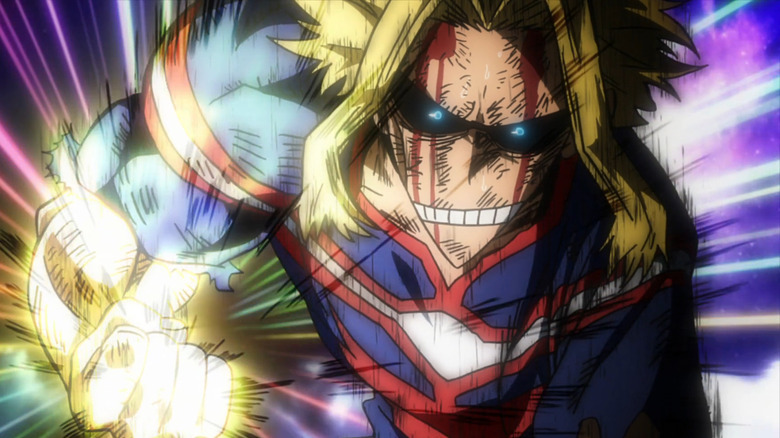
Fans pointed out the irony: his character in My Hero Academia is known for integrity and self-sacrifice—values he failed to reflect in real life. “It’s one thing to mess up,” wrote a commenter on X (formerly Twitter). “It’s another to expect us to feel bad for you because you voice a hero.”
The Role of Online Persona in Fan Betrayal
What made this scandal particularly volatile was the voice actor’s dual identity: performer and streamer. As a voice actor, he’s part of a beloved anime with a global fanbase that often blurs the line between character and actor. As a streamer, he cultivated intimacy—late-night chats, IRL streams, and fan Q&As that made viewers feel like friends.
That intimacy cuts both ways. When a streamer breaks trust, the sense of betrayal feels personal. Fans didn’t just lose respect for the person—they felt complicit. Many reported feeling “used,” especially those who had donated during charity streams or supported his merchandise.
A common theme in viewer comments: “I donated $100 to your charity run two months ago. You were texting someone else during the intermission.”
This duality—artist and influencer—creates unique accountability. Unlike traditional actors, streamers invite daily access to their lives. When they misuse that access, the backlash is amplified by the very platforms that enabled their fame.
How the Anime and Streaming Communities Reacted
The response was polarized but leaned heavily toward condemnation.
Within the anime community, forums like r/Animedubs and MyHeroAcademia Reddit threads lit up with debate. Some defended him, citing privacy and the right to personal issues. But most rejected that argument. “You don’t get to play a hero and then act like a coward when you mess up,” one user wrote.
Among streamers, reactions were more cautious. Several peers posted vague “thoughts and prayers” messages but avoided naming him. A few, however, spoke out directly. A popular anime streamer known for ethical transparency posted: “If you build a brand on authenticity, you can’t retreat into ‘it’s private’ when the truth comes out.”
Notably, the studio behind the My Hero Academia English dub remained silent. While not unusual—dub studios rarely comment on talent’s personal lives—fans questioned whether corporate silence equated to tacit approval.
Merchandise sales linked to the actor dropped by an estimated 60% in the two weeks following the scandal, according to data from fan retailers. Some fans returned items with notes like “Heroes don’t lie.”
Damage Control That Made It Worse
In the days after the initial apology, the voice actor tried to regain control—badly.
He deleted old tweets, unlisted past streams, and deactivated one of his social media accounts. Then, in a follow-up stream, he took questions from viewers but fielded them with defensiveness. When asked if he would step down from his role, he responded, “The studio hasn’t said anything, so I assume I’m still on track.”
He also posted a now-deleted Instagram story implying that “certain fans” were “harassing” him and his family, which triggered accusations of emotional manipulation. Screenshot compilations quickly circulated under the hashtag #NotMyHero.
One of the most damaging moments came during a livestream when a fan sent a donation with the message: “Can you say ‘I cheated’ on stream?” He paused, smirked, and said, “I made poor choices,” before quickly changing the subject. The clip went viral.
Lessons from the Backfire: What Public Figures Should Do Differently
This case offers a roadmap for how not to handle a public fall from grace. But it also provides real lessons for influencers, voice actors, and online personalities:
- Apologize fully, not partially
- Use direct language. “I cheated” carries weight. “I made mistakes” does not.
- Avoid justifying behavior with stress or fame
- Everyone experiences pressure. Using it as a shield minimizes accountability.
- Acknowledge all affected parties
- The primary partner, yes—but also fans who supported you and the team that stands behind your work.
- Don’t stream through the pain unless you’re ready for scrutiny
- Live content during a scandal invites real-time backlash. Silence or a pre-recorded, carefully written statement is safer.
- Let actions follow words
- If you claim to want change, show it. Take a break. Seek counseling. Donate to relationship trust-building charities. Don’t just say it—do it.
The Long-Term Fallout: Career, Reputation, and Redemption
As of now, the voice actor remains credited in upcoming My Hero Academia dub episodes. But behind the scenes, sources suggest tension with cast members. Co-stars have reportedly limited interactions with him during recording sessions.
His streaming numbers have plummeted. Average viewership dropped from 3,500 to under 600. Sponsorships from anime-related brands have quietly disappeared. His most recent merch drop—a “Plus Ultra” hoodie—sold fewer than 200 units, compared to over 2,000 for previous launches.
Redemption is possible, but it will take time. The public forgives, but only when contrition is consistent and visible. If he steps back, seeks therapy, and returns with humility—not performance—there’s a chance to rebuild. But the window is narrow, and trust, once broken, is hard to earn back.
Conclusion: Being a Hero Off-Screen Matters Just as Much
The irony is almost poetic. A man who voices a character built on honor and sacrifice was caught betraying basic human trust. In a franchise about potential and growth, his actions became a real-world lesson in failure—but also in accountability.
Fans don’t expect perfection. They expect honesty. When you build a career on being seen—whether through a microphone or a camera—you surrender the right to hide behind half-truths.
If there’s a takeaway, it’s this: Apologies aren’t damage control. They’re commitments. And if you’re not ready to keep them, don’t say them at all.
FAQ
Who is the My Hero Academia voice actor involved in the cheating scandal? The voice actor in question plays a supporting character in the English dub. While widely discussed online, he has not been officially named by the studio, and major outlets have withheld full identification due to privacy policies.
Did the voice actor lose his role in My Hero Academia? As of now, he remains listed in upcoming episodes. The dub production studio has not issued any public statement regarding his status.
Why did the apology go viral? The video spread rapidly due to its perceived insincerity, combined with the irony of a “hero” actor involved in betrayal. Clips were shared across TikTok, Twitter, and Reddit, intensifying scrutiny.
How did fans react to the scandal? Reactions were largely negative, with many fans expressing disappointment and canceling merchandise orders. Some defended his right to privacy, but the majority criticized his lack of accountability.
Can the voice actor recover his reputation? Recovery is possible but will require long-term effort, transparency, and demonstrable change. Public forgiveness often follows consistent, humble action—not just words.
Was the girlfriend aware of the affairs before the leaks? According to leaked messages, she discovered the infidelity shortly before the public posts, leading to their breakup. She has not made any public statements.
What impact did this have on the dubbing community? The incident sparked broader conversations about ethics, mental health, and accountability among voice actors and streamers, especially those with dual public personas.
What mistakes should you avoid? Avoid generic choices, weak validation, and decisions based only on marketing claims.
What is the next best step? Shortlist the most relevant options, validate them quickly, and refine from real-world results.